
Herniated and bulging discs: what your scan does and does not mean
Being told you have a disc bulge sounds alarming. Disc changes also appear on scans of people with no pain at all, so the important question is whether your disc findings match your symptoms and examination. That is what the assessment is for.

Who this page is for
Adults with disc-related neck or low back pain, with or without symptoms travelling into a limb, who want to understand conservative options.
Why people come in
These are reasons patients give for booking. They are not a diagnosis, and only an examination can tell you what is happening in your case.
- Back or neck pain with symptoms travelling into an arm or leg
- Pain that spikes with sitting, bending, coughing or sneezing
- Numbness or tingling in a defined area
- Difficulty getting comfortable in any position
How the evaluation works
We correlate your reported symptoms with movement testing and neurological findings, and review previous imaging if you have it. Findings that do not fit conservative care are referred on.
How we may approach care
Care may combine decompression, adjustments adapted to your findings, soft tissue therapy and graded exercise. We make no claim that conservative care repairs disc tissue.
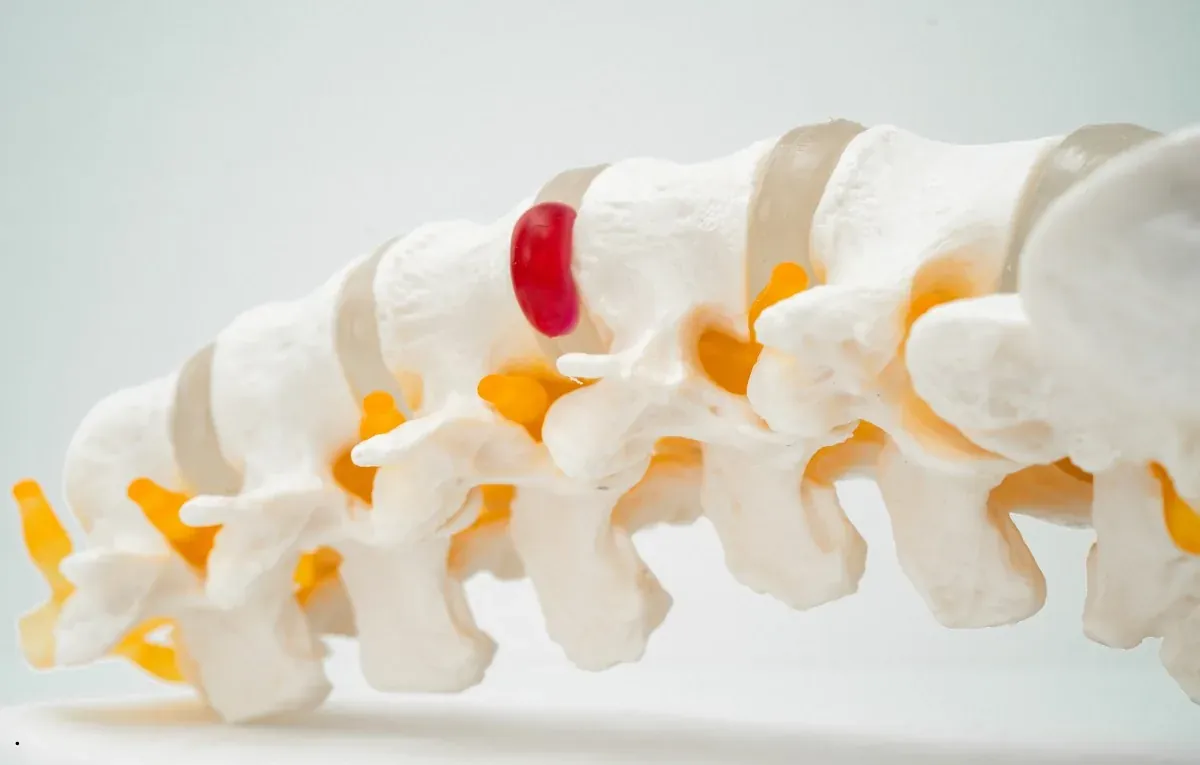
What a first visit may involve
Bring any imaging reports. Expect an examination and a plain explanation of how your scan and your symptoms relate.
Safety and when to seek other care
Progressive weakness, worsening numbness, loss of bladder or bowel control, or saddle numbness require emergency medical assessment. Some disc presentations need surgical opinion, and we will say so.
Questions patients ask
Is surgery my only option?
Many disc presentations are managed conservatively, but not all. An examination and, where needed, a referral will clarify your situation.
Does a bulging disc always cause pain?
No. Disc changes are found on scans of people without symptoms, which is why examination findings matter.
Where this care is offered
The clinical explanation above is the same at every clinic. Location links add only what is specific to that clinic.
Clinical review
Clinician review pending. This page has not yet been signed off by a named Inspine provider, and no reviewer is claimed until one confirms it. See our provider profiles.
Take the first step.
Call the clinic nearest you, or send a request and our team will follow up to agree a time.