
Chiropractic adjustments for stiff, painful joints
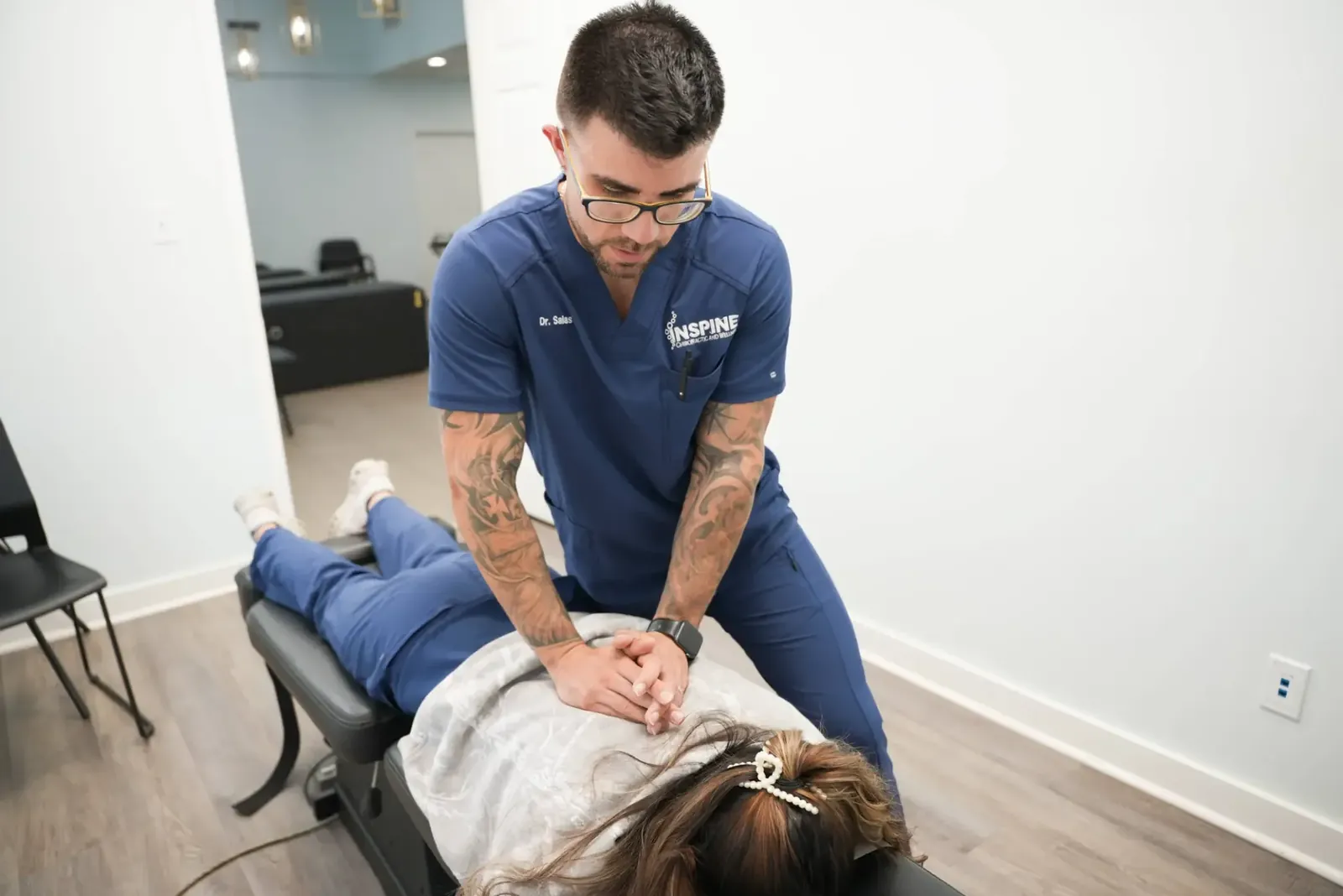
You want to move without bracing for the next twinge. A chiropractic adjustment is a controlled, targeted movement applied to a specific joint to help restore motion where it has become restricted. It is not a cure-all, and it is not the right answer for every problem, which is why we examine before we treat.
Who this page is for
Adults with joint or spinal complaints who want a conservative option before considering injections or surgery, and who would rather understand a plan than be handed one.
Why people come in
These are reasons patients give for booking. They are not a diagnosis, and only an examination can tell you what is happening in your case.
- Stiffness that is worst first thing in the morning or after sitting
- A specific area of the back or neck that feels locked or restricted
- Discomfort that returns whenever you go back to your normal activity
- Reduced range of motion when turning, bending or reaching
How the evaluation works
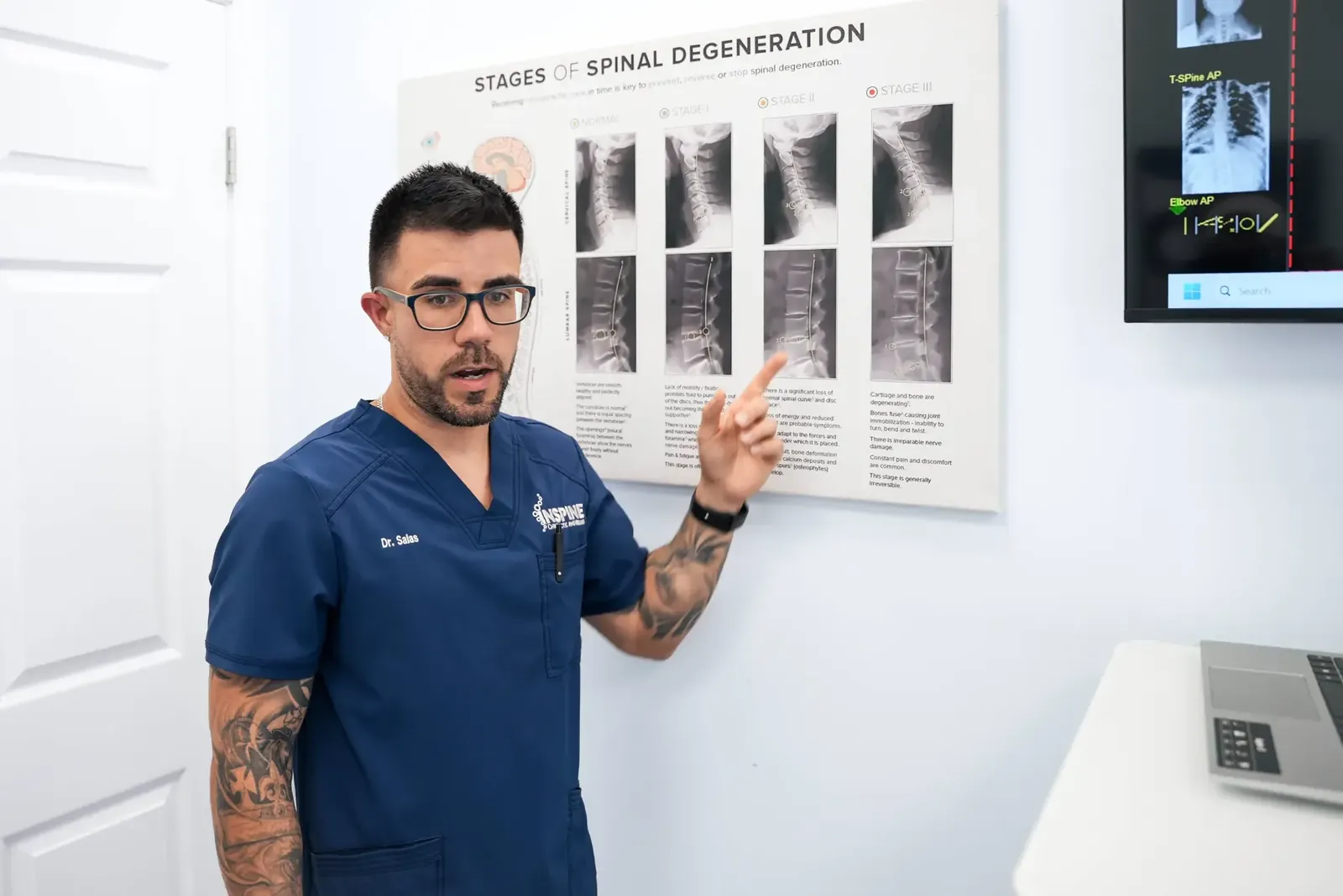
Your visit begins with a consultation about your history and what you are trying to get back to. The examination looks at posture, movement, joint motion and relevant orthopedic and neurological checks. Imaging is used only when it is clinically indicated, and your findings are explained to you before any plan is discussed.
How we may approach care
If adjustments are appropriate, your chiropractor chooses a technique based on your findings, your history and your comfort, using either hands-on or instrument-assisted methods. Adjustments are usually combined with soft tissue work and specific exercise so that changes are supported between visits.
What a first visit may involve
Expect a conversation, an examination and an explanation. Treatment on the first visit depends on what the examination shows. You will be told what was found, what is recommended and what the alternatives are, and you decide from there.
Safety and when to seek other care
Some people feel temporary soreness after an adjustment, similar to after unfamiliar exercise. Chiropractic care is not appropriate for every presentation. Sudden severe headache, chest pain, progressive weakness, loss of bladder or bowel control, or trauma with suspected fracture need urgent medical care, not a chiropractic appointment. If your case is outside our scope, we say so and help you find the right care.
Questions patients ask
Does an adjustment hurt?
Most patients describe pressure and a brief release rather than pain. Tell your provider if anything is uncomfortable so the technique can be changed.
How many visits will I need?
That depends on your examination findings and how you respond. We do not quote a visit count before we have examined you.
Do I need X-rays?
Only when they are clinically indicated. Your provider will explain why imaging is or is not needed in your case.
Where this care is offered
The clinical explanation above is the same at every clinic. Location links add only what is specific to that clinic.
Clinical review
Clinician review pending. This page has not yet been signed off by a named Inspine provider, and no reviewer is claimed until one confirms it. See our provider profiles.
Take the first step.
Call the clinic nearest you, or send a request and our team will follow up to agree a time.